
Comprehensive Guide to Detailed House Inspections
Buying or owning a home is a big deal. You want to make sure your investment is solid. That’s where detailed house inspections come in. They help you understand the true condition of a property. Whether you’re buying, selling, or maintaining a home, knowing what’s under the surface is crucial. Let’s dive into everything you need to know about detailed house inspections.
Why Detailed House Inspections Matter
You might wonder, "Why should I bother with a detailed house inspection?" Good question. A thorough inspection uncovers hidden problems before they become costly repairs. It’s like getting a health check-up for your home. You want to know if the foundation is stable, the roof is sound, or if there’s any water damage lurking in the walls.
Detailed house inspections give you peace of mind. They help you negotiate better deals or plan maintenance wisely. Imagine buying a house only to find out later that the electrical system is outdated or the plumbing leaks. That’s a nightmare you can avoid.
Here’s what a detailed inspection typically covers:
Structural integrity (foundation, walls, roof)
Electrical systems
Plumbing and water systems
HVAC (heating, ventilation, air conditioning)
Interior and exterior conditions
Potential safety hazards
The goal is to provide a clear picture of the home’s condition. This way, you can make informed decisions.
What to Expect During Detailed House Inspections
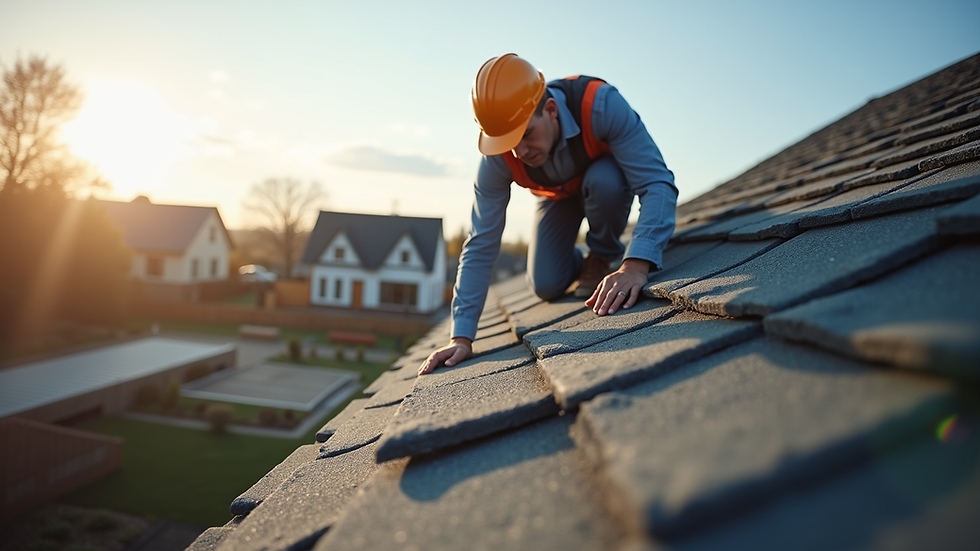
When you schedule a detailed house inspection, the inspector will spend a few hours going through the property. They use specialized tools and their trained eyes to spot issues. You can expect them to check everything from the basement to the attic.
Don’t be shy to tag along. Watching the inspection can teach you a lot about your future or current home. Inspectors often explain what they find and why it matters. They’ll take notes and photos to include in a detailed report.
This report is your roadmap. It highlights problems, suggests repairs, and sometimes estimates costs. Use it to prioritize fixes or negotiate with sellers.
Here are some tips to get the most out of your inspection:
Be present during the inspection.
Ask questions about anything unclear.
Review the report carefully.
Get estimates for any recommended repairs.
Use the information to plan your budget.
Remember, a detailed inspection is an investment that can save you thousands down the road.
What are the 4 Types of Inspection?
Not all inspections are the same. Knowing the different types helps you choose what fits your needs best. Here are the four main types of inspections:
General Home Inspection
This is the most common. It covers the overall condition of the home, including major systems and structural components.
Pest Inspection
Focuses on identifying termite damage, rodents, or other pests that can harm the property.
Radon Inspection
Tests for radon gas, a colorless, odorless gas that can cause health issues. Important in areas prone to radon.
Specialized Inspections
These include inspections for mold, asbestos, sewer lines, or pool safety. They are done when specific concerns arise.
Choosing the right type depends on your property and concerns. Sometimes, combining inspections is the best approach.

How to Choose the Right Inspector for Your Home
Picking the right inspector is key. You want someone experienced, trustworthy, and thorough. Here’s how to find the best fit:
Check credentials: Look for certifications from recognized organizations.
Read reviews: See what past clients say about their service.
Ask about experience: Especially with homes in your area or of similar age.
Request sample reports: This shows how detailed and clear their findings are.
Compare prices: Don’t just go for the cheapest. Quality matters.
A good inspector will communicate clearly and answer your questions. They should also be willing to walk you through the report.
What Happens After the Inspection?
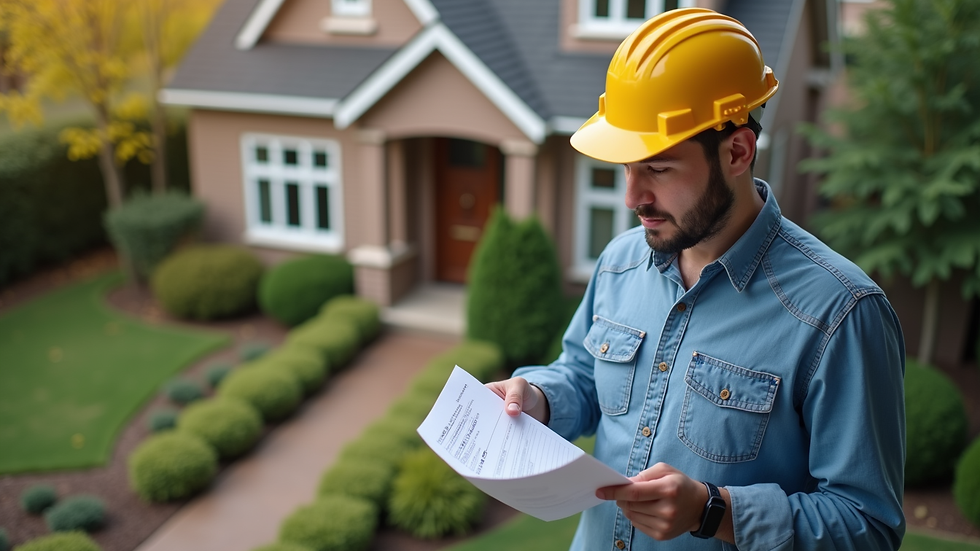
Once the inspection is done, you’ll get a detailed report. This document is your guide to the home’s condition. It lists issues, from minor repairs to major concerns.
Here’s what you can do next:
Review the report carefully. Understand what needs immediate attention.
Get repair estimates. Contact contractors to price out fixes.
Negotiate with sellers. Use the report to ask for repairs or price reductions.
Plan maintenance. Schedule future upkeep based on the inspector’s recommendations.
If you’re a homeowner, use the inspection to keep your property in top shape. Regular inspections can prevent small problems from turning into big headaches.
Why Southwest Florida Needs Expert Home Inspections
Southwest Florida has unique challenges. The climate, humidity, and weather events like hurricanes can affect homes differently than in other regions. That’s why detailed house inspections here require local expertise.
Inspectors familiar with Southwest Florida know what to look for:
Moisture and mold issues due to humidity
Roof damage from storms
Termite and pest risks common in the area
Salt air corrosion on metal components
Choosing a local expert means you get a thorough, relevant inspection. They understand the environment and can spot problems others might miss.
If you want to protect your investment and ensure a healthy living environment, consider home inspection services tailored to Southwest Florida’s needs.
Taking Action: Protect Your Investment Today
A detailed house inspection is more than a formality. It’s a smart move that saves money and stress. Whether you’re buying, selling, or maintaining a home, inspections give you the facts.
Don’t wait until problems become emergencies. Schedule your inspection early. Use the findings to make smart decisions. And remember, a well-maintained home is a happy home.
Invest in your peace of mind. Get a detailed house inspection and take control of your property’s future.


Comments