
Southwest Property Inspections: Your Guide to Smart Home Buying and Ownership
Buying or owning a home in Southwest Florida is exciting. But it can also be stressful. You want to make sure your investment is solid. That’s where a thorough home inspection comes in. I’m here to walk you through everything you need to know about Southwest property inspections. From what they cover to why they matter, I’ll share practical tips and insights to help you make confident decisions.
Why Southwest Property Inspections Matter More Than You Think
You might wonder, “Do I really need a home inspection?” The short answer: yes. Especially in Southwest Florida, where weather, humidity, and age of homes can cause hidden issues. A home inspection uncovers problems before they become costly repairs.
Think about it. You’re investing a lot of money. Wouldn’t you want to know if the roof leaks, the electrical system is outdated, or if there’s mold lurking behind the walls? A professional inspection gives you that peace of mind.
Here’s what a typical inspection covers:
Structural integrity (foundation, walls, roof)
Electrical systems and wiring
Plumbing and water systems
HVAC (heating, ventilation, air conditioning)
Appliances and fixtures
Signs of pests or mold
Each of these can affect your safety, comfort, and wallet. For example, a small leak might seem harmless but can lead to mold growth, which is a health hazard. Catching it early saves you money and stress.
What to Expect During a Southwest Property Inspection
When you schedule a southwest home inspections service, the inspector will arrive with tools and expertise. They’ll spend a few hours going through the property, inside and out. You can even join them to ask questions and learn about the home’s condition firsthand.
Here’s a quick rundown of the process:
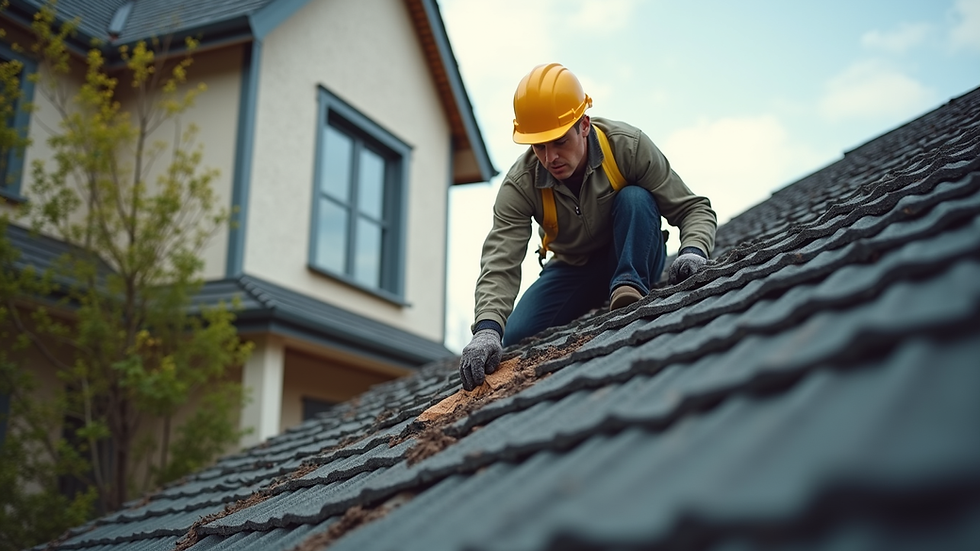
Exterior Check - The inspector looks at the roof, gutters, siding, windows, and foundation. They check for cracks, water damage, and pest issues.
Interior Walkthrough - Inside, they test electrical outlets, check plumbing for leaks, inspect walls and ceilings for damage, and assess HVAC systems.
Attic and Crawl Spaces - These often-overlooked areas are critical. Inspectors look for insulation quality, ventilation, and signs of pests or water intrusion.
Report Delivery - After the inspection, you get a detailed report with photos and notes. It highlights issues, their severity, and recommendations.
This report is your roadmap. It helps you negotiate repairs or price adjustments with the seller or plan future maintenance.
How to Choose the Right Southwest Property Inspection Service
Not all inspections are created equal. You want a company that knows Southwest Florida’s unique challenges. Here’s what to look for:
Experience and Certification: Make sure the inspector is licensed and certified by recognized organizations.
Local Knowledge: They should understand local building codes, weather impacts, and common regional problems.
Comprehensive Services: Some companies offer additional testing like mold, radon, or termite inspections.
Clear Communication: You want an inspector who explains findings in plain language and answers your questions.
Positive Reviews: Check online reviews and ask for references.
Choosing the right partner means you get a thorough inspection and trustworthy advice. It’s worth investing in quality.

Beyond the Inspection: What to Do With the Report
Getting the inspection report is just the beginning. What you do next can save you thousands.
Review Carefully: Read through the report and note any urgent issues.
Ask Questions: Don’t hesitate to contact the inspector for clarification.
Negotiate Repairs: Use the report to ask the seller for repairs or price reductions.
Plan Maintenance: Some issues might not need immediate action but should be monitored.
Schedule Follow-ups: For complex problems, consider specialist inspections (e.g., structural engineer, pest control).
Remember, a home inspection is a tool to protect your investment. It’s not about finding reasons to back out but about making informed choices.
Keeping Your Home Safe and Sound Long-Term
A home inspection is a snapshot in time. To keep your property in great shape, regular maintenance is key. Here are some tips:
Seasonal Checks: Inspect your roof, gutters, and HVAC system twice a year.
Moisture Control: Use dehumidifiers and fix leaks promptly to prevent mold.
Pest Prevention: Schedule termite inspections annually.
Upgrade Systems: Replace old wiring or plumbing before they cause problems.
Document Repairs: Keep records of all maintenance and repairs for future reference.
By staying proactive, you protect your home’s value and your family’s health.
Ready to Take the Next Step?
If you’re serious about protecting your investment and ensuring a healthy living environment, don’t skip the inspection. Southwest Florida’s climate and housing stock require expert eyes. I recommend reaching out to a trusted provider of southwest home inspections to schedule your inspection today.
Investing in a thorough home inspection is investing in peace of mind. You’ll know exactly what you’re buying or owning. And that’s priceless.
Feel free to share your experiences or questions about home inspections in the comments below. I’m here to help you navigate the process with confidence.


Comments